- by LMH Agency
- Roof Repair
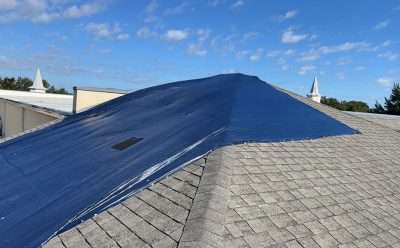
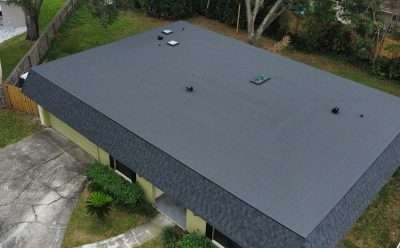
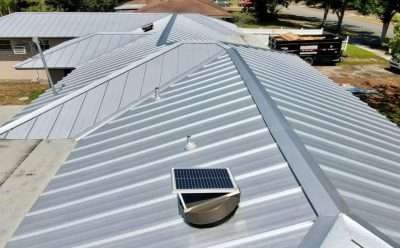
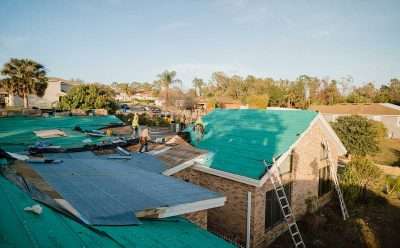
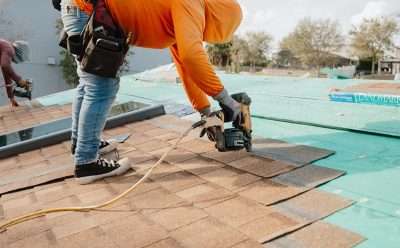
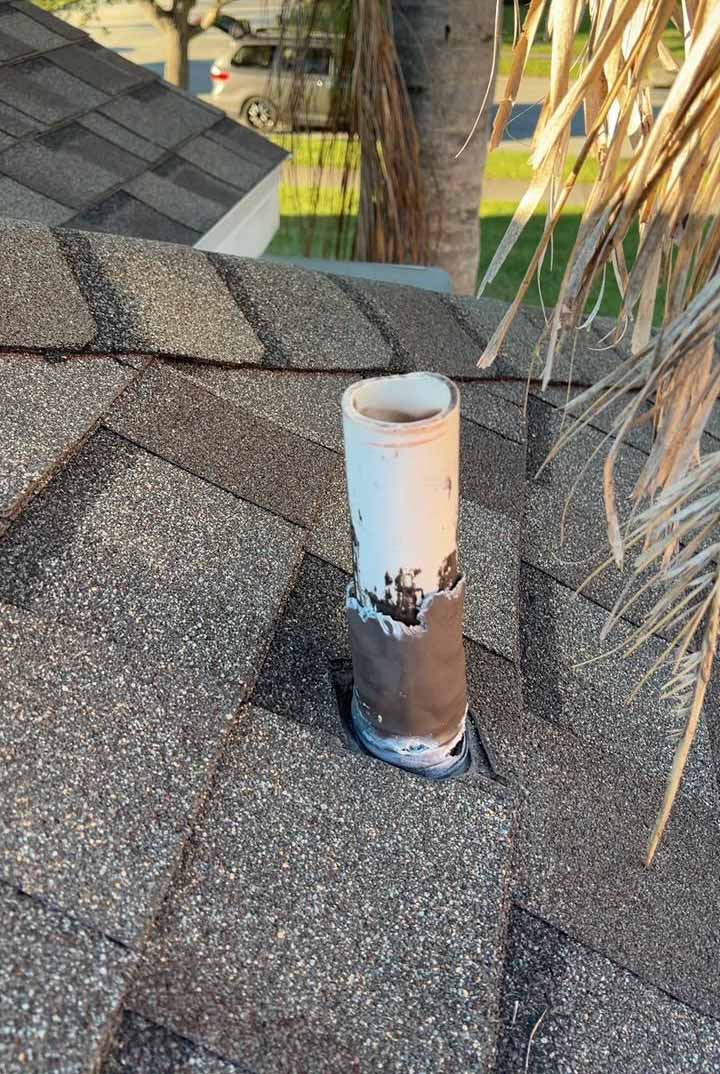
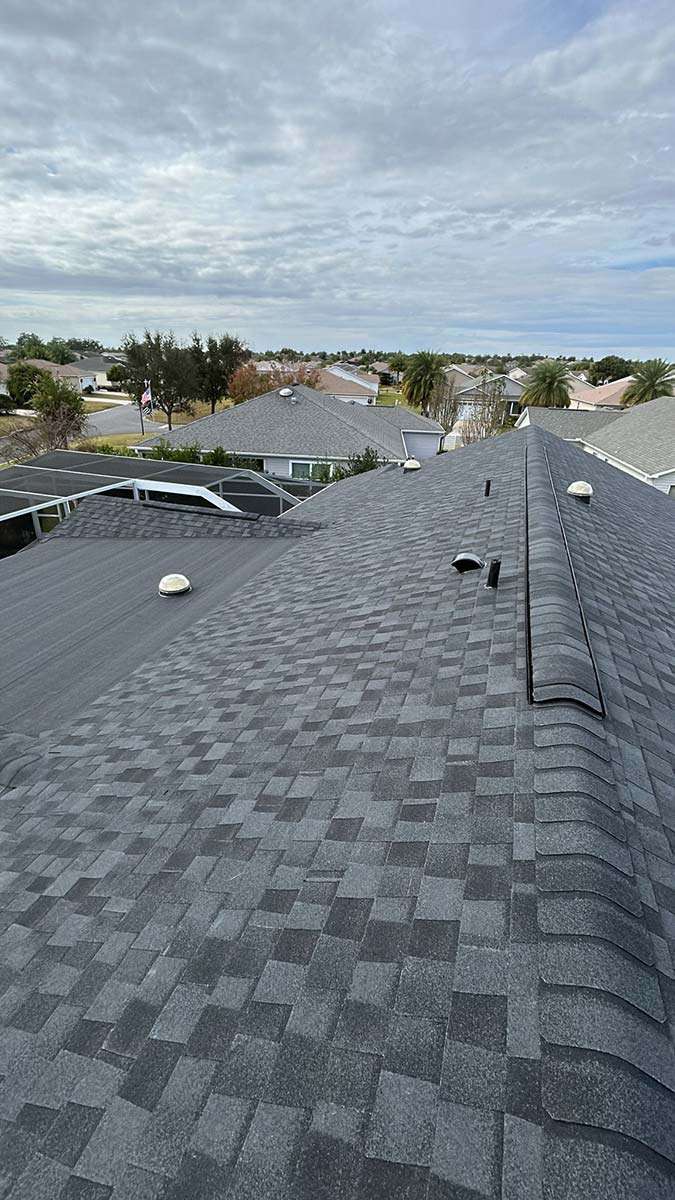
A roof problem rarely starts with water pouring into the living room. In Mount Dora, it often begins with a faint ceiling stain, a few shingles out of place after a storm, or gutters filled with granules. At Skymark Roofing, we know how quickly Florida weather can turn a small concern into interior damage, higher costs, and a lot of stress. This guide explains the warning signs that point to Roof repair in Mount Dora, FL, how to tell the difference between a quick fix and a bigger problem, and what you can do next to protect your home before damage spreads.
Why Roof Repair In Mount Dora, FL Should Not Wait
Waiting almost always makes roofing problems more expensive in Florida. The state deals with frequent severe weather, and NOAA’s Florida summary shows 94 billion-dollar weather and climate disasters affected the state from 1980 through 2024, including 33 severe storms and 36 tropical cyclones. NOAA also encourages homeowners to understand their risk from both water and wind before hurricane season, which is especially relevant when you live in a place like Mount Dora where storms, heat, humidity, and heavy rain can all wear down a roofing system over time.
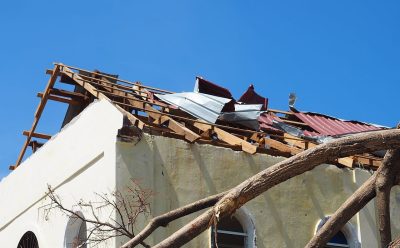
Florida’s own roofing fact sheet makes the stakes clear. When primary roof covering is lost or compromised during a high-wind event, water infiltration can damage interior finishes and contents, and in some cases even contribute to ceiling collapse if insulation becomes saturated. That is why what looks like a “small roof issue” from the driveway can become a much larger repair inside the home.
Warning Signs You May Need Roof Repair In Mount Dora, FL
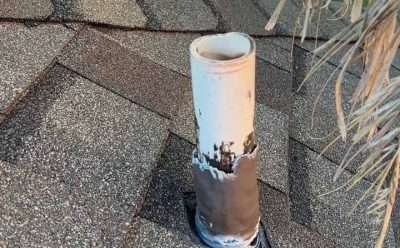
One of the first signs many homeowners notice is water where it should not be. You may see yellow or brown spots on the ceiling, peeling paint near the top of a wall, damp attic insulation, or a musty smell after rain. Those clues often point to a leak around flashing, valleys, vents, or worn roofing material. They are easy to dismiss if the stain looks small, but the EPA warns that when wet areas are not dried within 24 to 48 hours after a leak, mold can begin to grow. That is one reason timely leak repair roof service in Mount Dora matters more than many people realize.
You should also pay attention to what is happening on the roof surface and in your gutters. Missing shingles, curled edges, cracked tabs, exposed fasteners, worn sealant, and flashing that has started to pull away are all early indicators that you may need roof repair in Mount Dora, FL. If you see shingle granules collecting in the gutters or at the bottom of downspouts, that usually means the protective surface is wearing down. In Florida sun and rain, that kind of deterioration can speed up the aging process and leave the roof more vulnerable during the next storm.
Another clue is repeated trouble in the same area. If one bedroom ceiling stains every time you get a hard rain, or the same section of roof seems to “need another patch” every few months, there is usually a deeper issue underneath. The visible problem might be a cracked shingle or loose flashing, but the real concern could be trapped moisture, deteriorated decking, or a drainage pattern that keeps forcing water into the same weak spot. This is where residential roof repair in Florida needs to be diagnostic, not just cosmetic.
Some warning signs are less obvious but still important. If upstairs rooms feel hotter than usual, your attic feels damp, or you notice dark streaking, algae growth, and debris collecting along roof edges, your system may not be shedding water and heat as efficiently as it should. Those symptoms do not always mean you need a major repair, but they do mean it is time to stop guessing. A professional assessment can tell you whether you are looking at routine maintenance, a localized repair, or a broader problem that needs attention now.
A Customer Perspective On Smooth, Well-Managed Roofing Work
When roofing work becomes more involved than expected, communication matters almost as much as the repair itself. That is one reason Marilyn Logsdon’s review stands out. She described Skymark Roofing’s work on a large, complicated project and highlighted how the team handled the process from start to finish.
Her most useful takeaway for property owners was not just about the size of the job. It was about how clearly everything was explained along the way. As she put it, “They took time to explain the process as it was going on. This kind of personal attention helped make this huge project painless.”
For homeowners in Mount Dora, that is a practical reminder that roof problems are easier to deal with when you have a team that communicates clearly, responds quickly, and helps you understand what is happening before the work expands. You can read her full Google review here.
You can also browse more customer feedback on our reviews page.
When A Quick Fix For A Damaged Roof In Mount Dora Works, And When It Does Not
A quick fix can make sense when the damage is isolated and the rest of the system is still in solid shape. That might include a few shingles displaced by wind, a small flashing repair around a vent, localized sealant failure, or a minor leak that has not spread beyond one section. In those cases, a targeted repair can restore protection without turning the job into something bigger than it needs to be.
A larger repair becomes more likely when the warning signs stack up. If you have recurring leaks, soft spots, sagging, damage across multiple roof planes, or evidence that water has already moved below the surface, patching the symptom alone usually is not enough. The same goes for roofs with widespread wear, brittle materials, or areas that have clearly been repaired several times before. At that stage, the smarter move is a full diagnosis through our residential roofing services so you can understand the condition of the roofing material, flashing, decking, and drainage system together.
This is also why fixing a damaged roof in Mount Dora should not mean grabbing the quickest patch you can find. The right repair is the one that addresses the failure point and prevents the next leak, not the one that only hides the stain for a few weeks.
What To Do Next If You Are Searching For Roof Repair
Start with a safe visual check from the ground. After a storm or heavy rain, look for missing shingles, lifted edges, bent flashing, gutter granules, or fresh staining indoors. If you can access the attic safely, check for damp insulation, dark water marks, or visible daylight where it should not be. Take photos, move valuables away from any active leak, and avoid climbing onto the roof yourself.
Skymark Roofing has over 40 years serving Central Florida with deep knowledge of local conditions and construction standards. If water is actively getting in, reach out for emergency roof repair before the next storm makes the problem worse.
If the issue is not urgent but you want clarity, you can connect with our Mount Dora roofing team or use our contact page to schedule an inspection. We will help you understand whether you need a straightforward repair, a larger corrective scope, or a longer-term plan.
FAQs
What are the most common signs I need roof repair in Mount Dora, FL?
Ceiling stains, missing or curled shingles, flashing damage, granules in gutters, recurring leaks, and soft or sagging areas are some of the most common warning signs.
Can a few missing shingles really lead to a bigger roof problem?
Yes. Even a small exposed section can let wind-driven rain move beneath surrounding materials, which can damage underlayment, decking, and insulation over time.
When is affordable roof repair in Mount Dora still realistic?
It is usually most realistic when the damage is isolated and caught early, before moisture spreads into multiple roof components or interior areas.
How do I know whether I need a repair or a full replacement?
If the issue is localized, a repair may be enough. If you have repeated leaks, widespread wear, soft decking, or multiple damaged sections, a larger repair or replacement discussion may be more appropriate.
What should I do before a roofer arrives?
Document what you can safely see, protect belongings from active leaks, and avoid going onto the roof yourself. Photos and notes from inside and outside the home can make the inspection more efficient.